

Teacher’s experience
Teaching
Students Taught
Hours of Teaching

Scales, chords, and intervals are physically visible on the keyboard layout. Students who learn theory on keys develop a deeper musical understanding.
The keyboard allows students to play melody and chord accompaniment together, making it one of the most complete instruments for solo performance.
From piano tones to synth pads, strings, organs, and beyond, the keyboard’s built-in sounds make it endlessly explorable and never boring.
With headphone support, adjustable volume, and no need for restringing or retuning, the keyboard is one of the most practice-friendly instruments for home use.
Keyboard skills are the foundation of music production, composition, and arranging. Students who master the keyboard gain a strong advantage in any music-related pursuit.
Because each key produces a clean, immediate tone, beginners can play recognisable melodies within their first lessons, making progress feel real from day one.
Year 1 builds the student’s core foundation. Students begin with posture, finger numbers, basic notes, simple rhythms, and familiar songs, then gradually move into hand coordination, basic chords, reading, and complete pieces.
Keyboard layout, finger numbers, posture, basic notes, simple rhythm, and first melody.
Right-hand melodies, basic rhythm reading, left-hand single notes, and 2–3 simple songs.
Basic chords, two-hand coordination, simple accompaniment patterns, and more repertoire.
4–5 songs across styles, simple left-hand patterns, basic notation reading, and first confident performance.
Year 2 helps students move beyond basic keyboard playing. They begin reading more fluently, playing with both hands independently, understanding scales and chords, and performing complete songs with better timing, expression, and confidence.
Treble clef reading, bass clef introduction, simple two-hand pieces, and rhythm exercises.
Major scales, chord progressions, broken chords, and simple accompaniment patterns.
Left-hand patterns, right-hand melody control, dynamics, articulation, and genre-based songs.
Playing with other musicians, performance-ready pieces, stage confidence, and exam-oriented preparation.
Year 3 is for students who are ready to become confident keyboard performers. The focus shifts to advanced technique, expressive playing, stronger reading, improvisation, arrangement, and preparation for global exams or stage performances.
Advanced finger exercises, scales, arpeggios, hand control, tone, and dynamic playing.
Chord inversions, progressions, improvisation, fills, and creative playing over simple backing tracks.
Advanced songs, classical and contemporary pieces, arrangement work, and stage preparation.
Mock exams, sight-reading, aural practice, technical work, and annual recital performance.
Year 4 is designed for serious learners who are ready to move beyond structured lessons into artistry. The focus is on personal style, advanced performance, live keyboard playing, music production basics, composition, arranging, and preparation for higher-level global exams or professional opportunities.
High-level pieces, advanced technical work, stylistic interpretation, tone, and expression.
Improvisation, chord voicings, fills, genre study, and developing a personal keyboard sound.
Original music ideas, arrangement, MIDI basics, recording concepts, and building a performance portfolio.
Band collaboration, stage performance, advanced exam preparation, and final showcase.
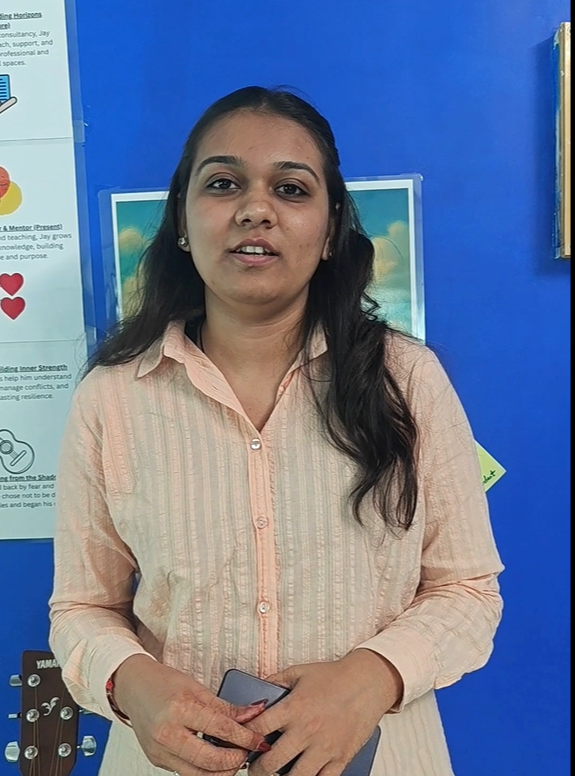
Homeroom Teacher

Learning music at Mindraga has been a great experience. The team is very professional but at the same time very approachable and supportive.I’m really impressed with the dedication of the Mindraga team. What I liked the most is the friendly and encouraging atmosphere they create during the sessions. It makes learning music feel exciting rather than stressful. A great place for anyone who wants to learn music seriously.
Parent
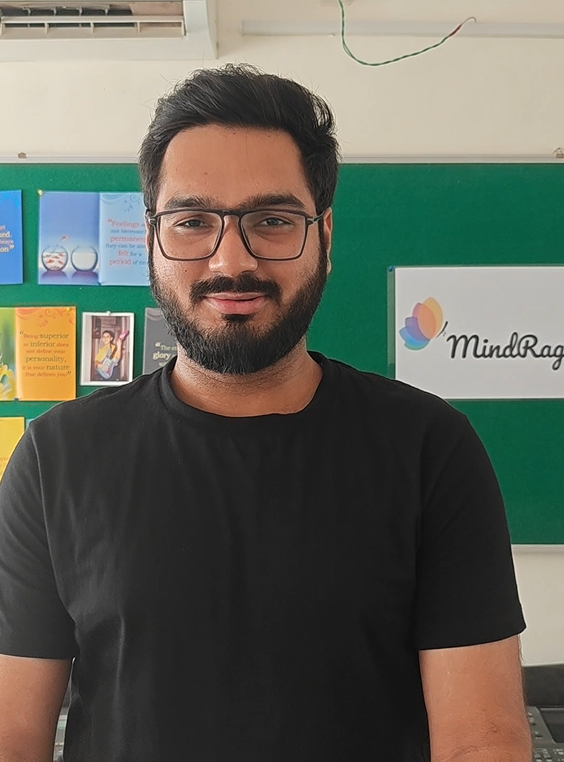
Homeroom Teacher
Learning to play keyboard at Mindraga Institute with experienced trainers Jay Talsania and Shakti has been fun and inspiring their personalized sessions helped me confidently play several songs within just a few weeks.
I highly recommend Mindraga to anyone looking to start or strengthen their musical journey in a positive and encouraging environment.
Parent
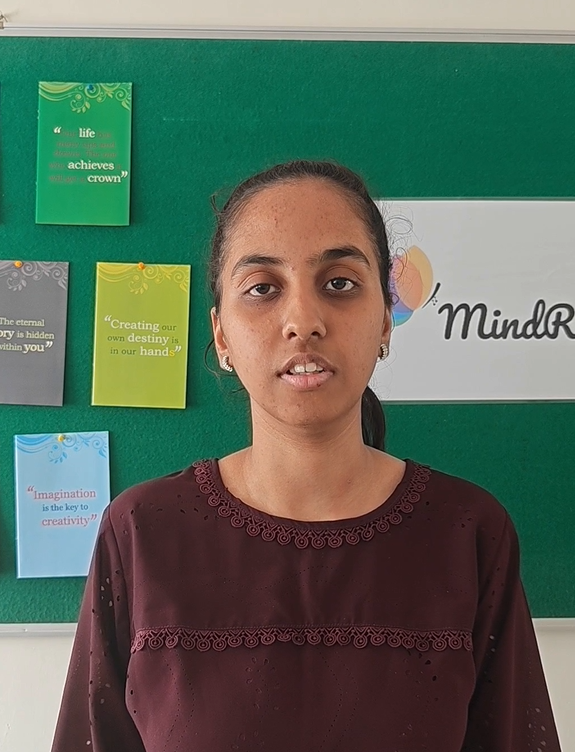
Homeroom Teacher
I have been learning music from MindRaga Music School for the past one month, and it has been a great experience. The curriculum is well-structured and easy to follow, and the teaching is very good. The instructors explain concepts clearly and make learning enjoyable. I can definitely recommend this to someone who wants to learn music.
Parent
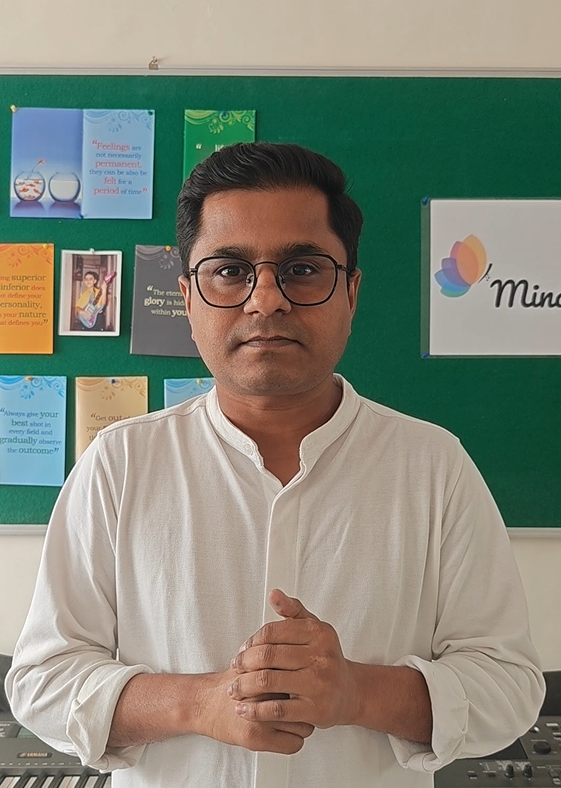
Homeroom Teacher
Learning guitar at Mindraga has been amazing experience. Great teachers and a fun encouraging environment. Highly recommend!!
Parent
Your first keyboard lesson is free.
